All of us have an internal clock that regulates our circadian rhythms, including when we sleep and when we are awake.
All of us have an internal clock that regulates our circadian rhythms, including when we sleep and when we are awake. And light is the single most important factor that helps establish when we should feel wakeful (generally during the day) and when we should feel sleepy (typically at night).
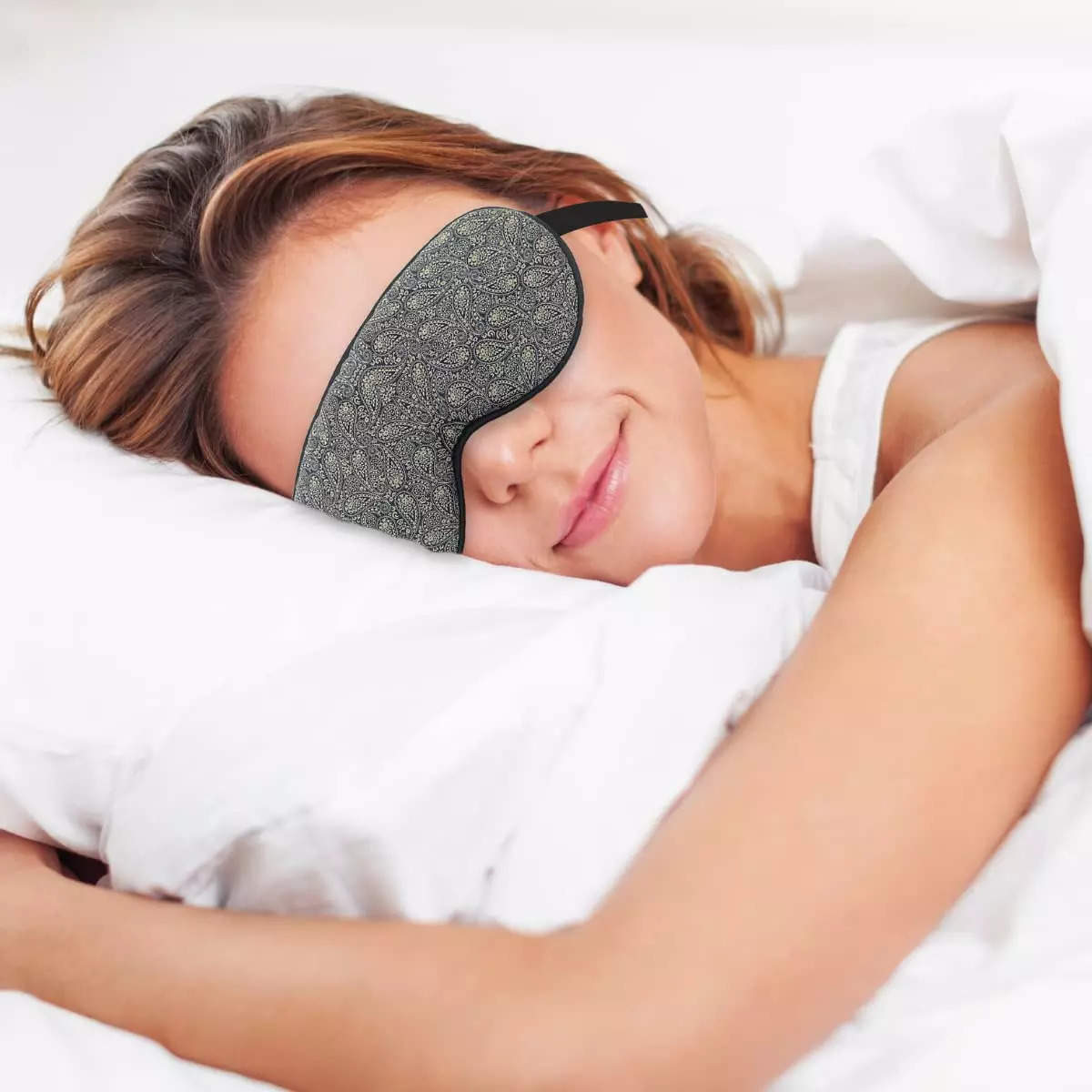
So, let me ask you a personal question: just how dark is your bedroom? To find out why that matters — and whether sleeping in an eye mask is worthwhile — read on.
Our circadian system evolved well before the advent of artificial light. As anyone who has been to Times Square can confirm, just a few watts of power can trick the brain into believing that it is daytime at any time of night. So, what’s keeping your bedroom alight?
Being exposed to light at night suppresses melatonin production, changing our sleep patterns. Compared to sleeping without a night light, adults who slept next to a night light had shallower sleep and more frequent arousals. Even outdoor artificial light at night, such as street lamps, has been linked with getting less sleep.
But the impact of light at night is not limited to just sleep. It’s also associated with increased risk of developing depressive symptoms, obesity, diabetes, and high blood pressure. Light exposure misaligned with our circadian rhythms — that is, dark during the day and light at night — is one reason scientists believe that shift work puts people at higher risk for serious health problems.